
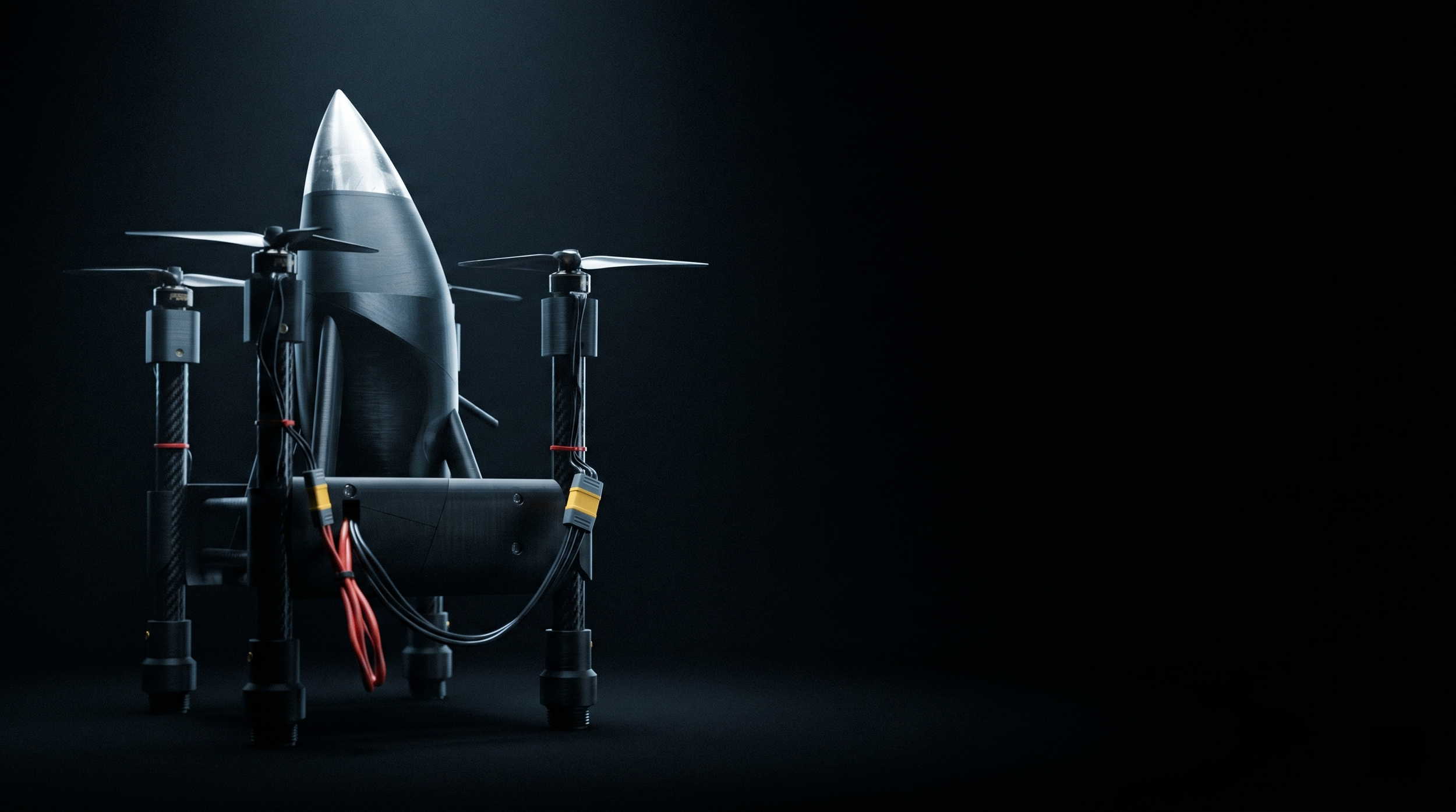
Project LORIKEET 6:1
The lorikeet is the 12:1 scale flying model of the eVTOL aircraft focusing on the electronics required for autonomous flight capabilities.
Being the smallest of the scaled models, its solutions in electronics, design, manufacturing means:
Scalability & implementation into the larger models.
Faster testing, design & production iterations
Commercialisation for public purchase to fund future eVTOL opportunities & sustainability.
The Team
Primarily designed, manufactured & tested by participant Jett Adamson
Anatomy
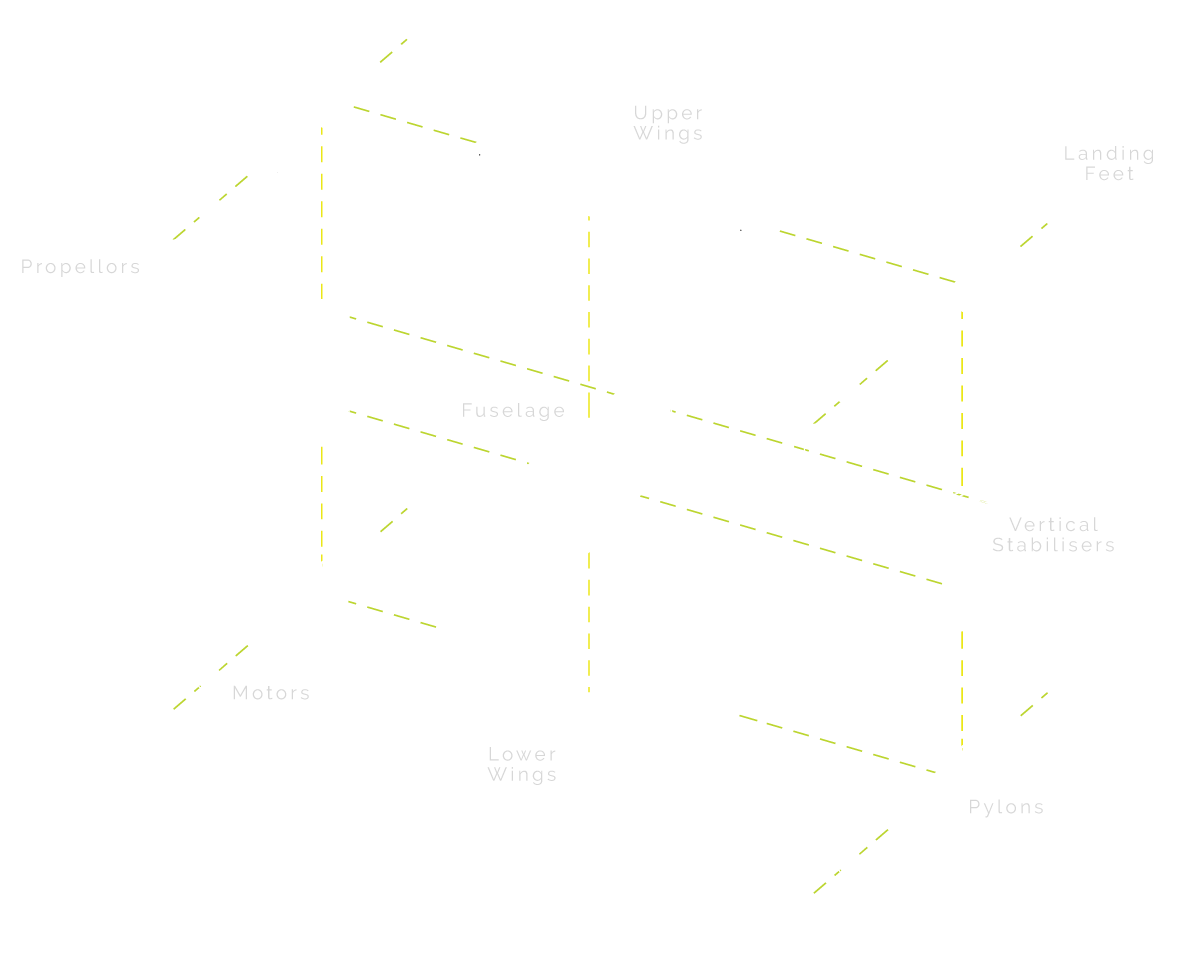
The Lorikeet’s design & structure was based off the original concept design and modelled in Onshape (our chosen cloud CAD program).
Its structure (wings, fuselage & vertical stabilisers has been 3D printed with primarily PETG filament, connected with 3D printed connections & mounts.
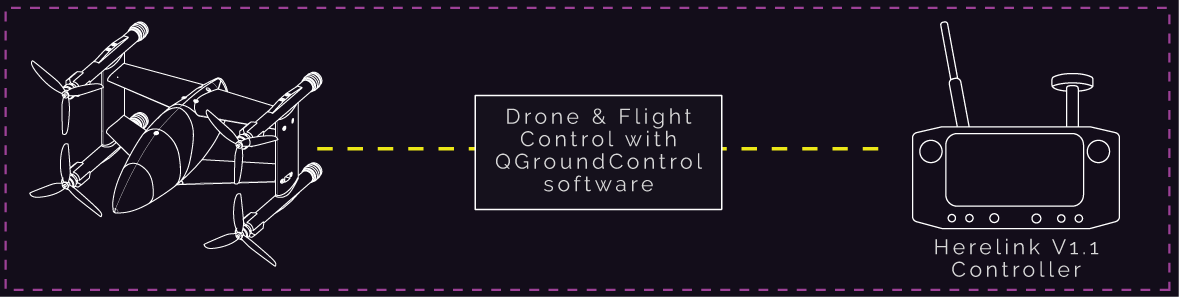
Electronics to control and power the lorikeet were designed, tested and soldered into the body for each generation.
What is it made of?
Control
Fuselage

Generations & Testing
Three generations have been developed so far with the fourth currently in production demonstrating increasing complexity for flight control and autonomous capability.
Gen 4 - In Production
Enhanced cooling and power system
Compatible with both programmable and manual flight modes
Ability to transition between drone and plane-style flight
Est max height: ~50 m
Flight time: 15–20 minutes
Max speed: ~30 km/h (quadcopter mode) / 100+ km/h (forward flight mode) connection, better portability, and better interfaces to control the drone.
Gen 3
GPS-assisted stable flight
Programmable and manual control modes
Maximum height: ~45 m
Flight time: 10–15 minutes
Maximum speed: 15–25 km/h
Crash: No GPS assistance
Gen 2
Stable flight
Programmable flight path
Flew waypoint to waypoint successfully
Maximum height: > 30 m
Flight time: 5–10 minutes
Maximum speed: ~15 km/h
Gen 1
Unstable flight
Manual stick controller
Maximum height: < 1 m
Flight time: < 60 seconds
Maximum speed: ~15 km/h
Crash: Controls not working