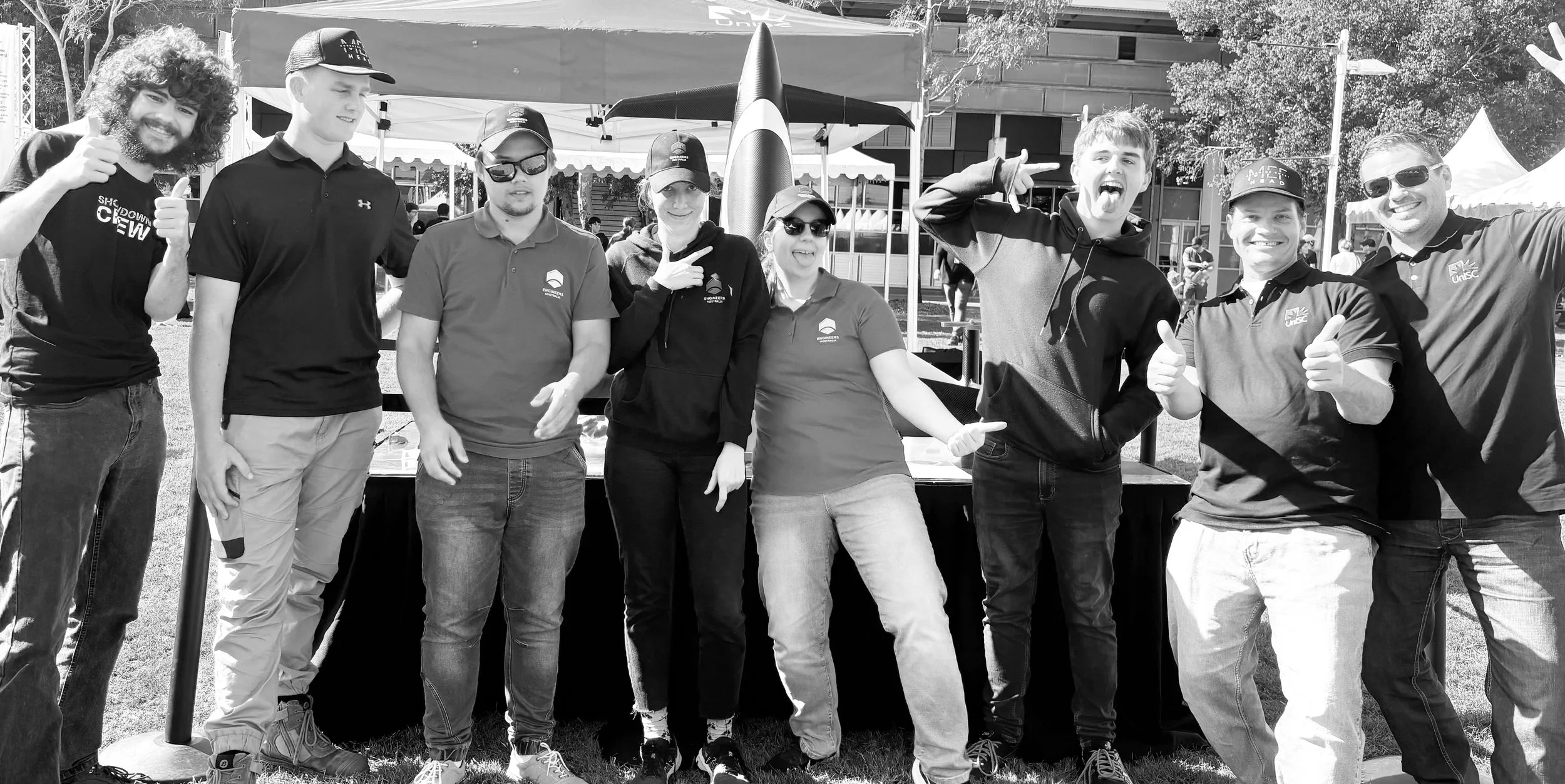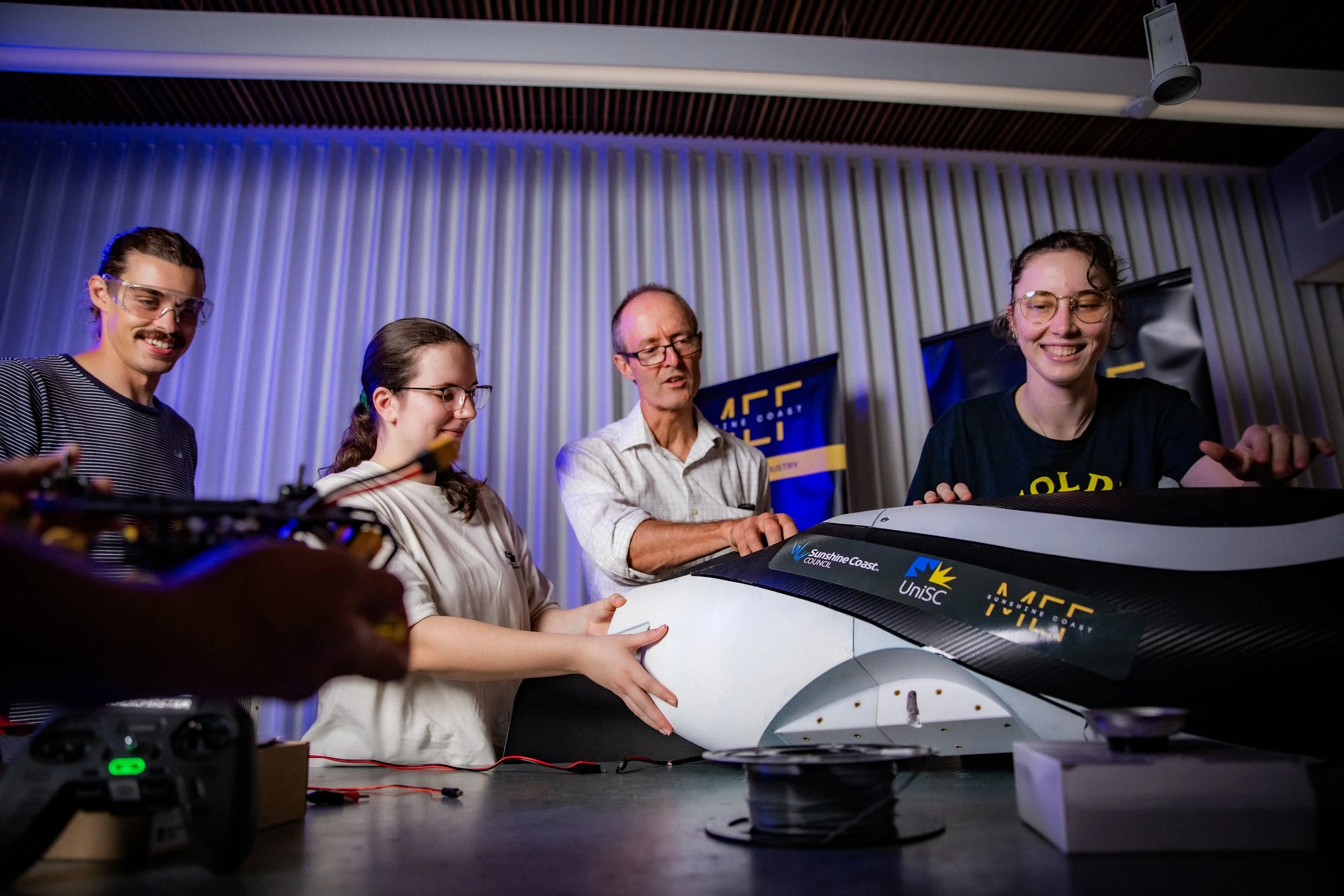
Building industry-ready engineers
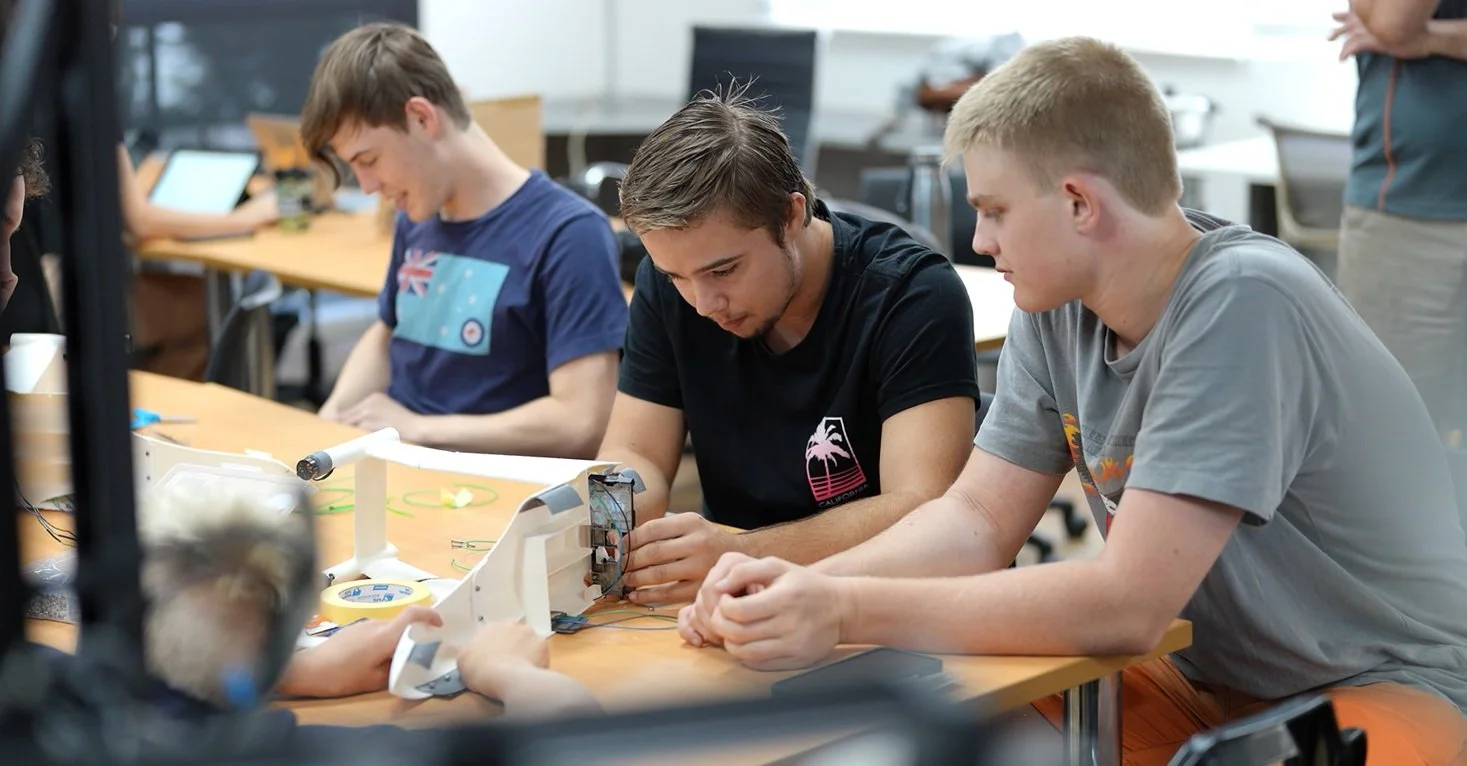
We are a not-for-profit organisation preparing participants to be industry ready for careers in engineering & STEM.
We do this by providing real world projects for participants to work on to develop industry critical skills that complement forma & academic studies.
Who Are We?
The EVTOL project is to build a commercially viable eVTOL aircraft to service SE QLD as an air taxi by 2032.
This target has been broken down into smaller projects for participants to accomplish that will increase in complexity over time. The simpler & completed projects are used to teach the foundational knowledge required in the project & in industry.
We provide:
Logable engineering practice hours required to graduate
In-person mentorship with EA approved engineers & industry workers
Opportunities for work experience, placements, internships, and jobs
Teaching & development of secondary skills including CAD, mechanical and electrical design, soldering, project development plus many more.
What is the EVTOL Project?
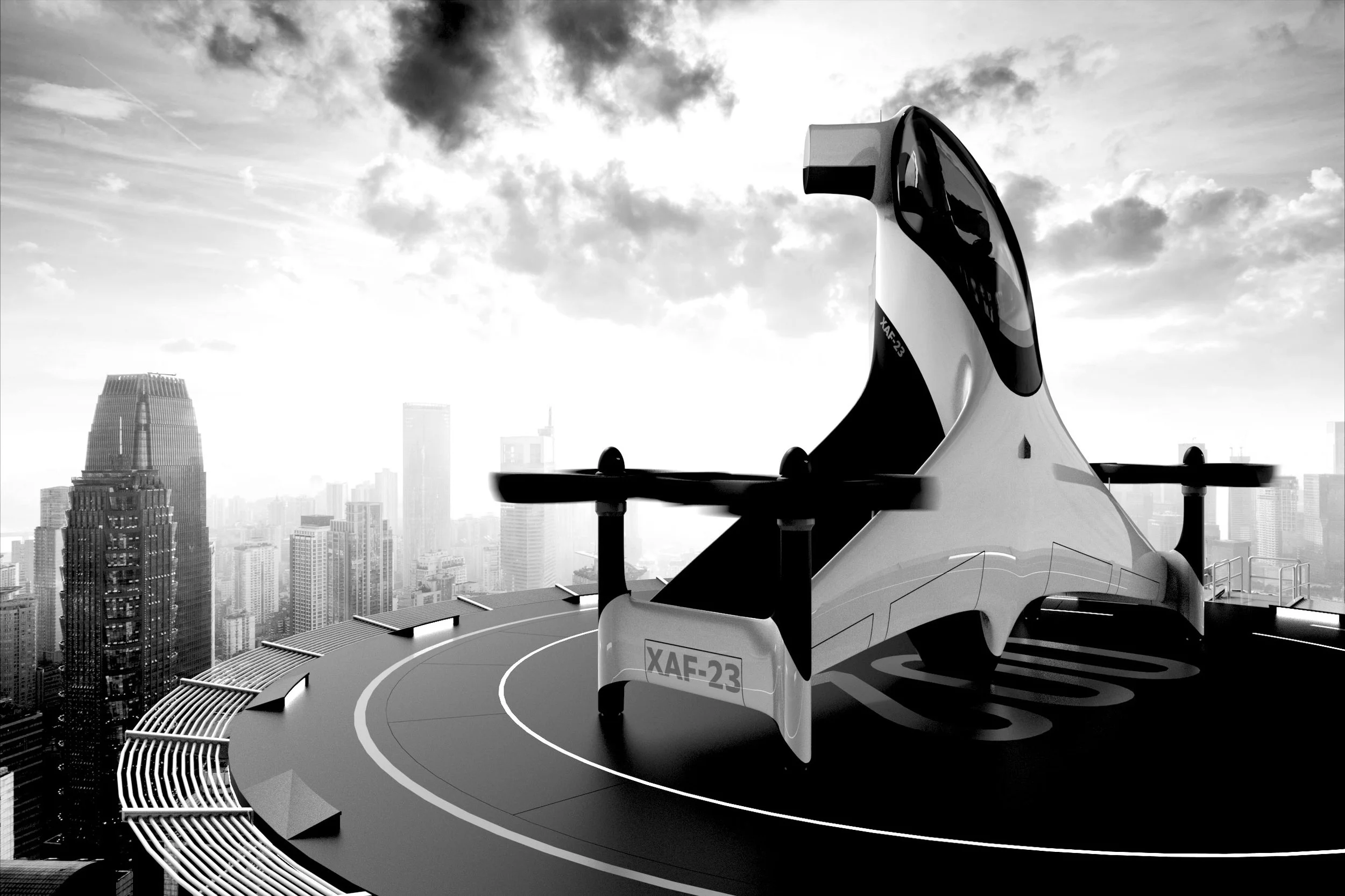
What is an eVTOL?
An eVTOL (Electric Vertical Take-Off and Landing) aircraft is an electric aircraft that can take off and land vertically without a runway.
It’s autonomous flight capabilities, low noise, low emissions, & small carrying capacity of 1-12 people means minimal infrastructure is required in this emerging industry.
Applications
Urban air mobility (UAM) & Air taxis
Ag-Tech & Smart Farming
Emergency & medical services, search & rescue
Cargo & Logistics
Defence & Surveillance
Transportation & Regional Connectivity
International & domestic development is progressing through prototype testing, regulatory planning, infrastructure design, with major players now conducting hover tests & flights.
CASA has released roadmaps & design guides on the integration of EVTOLs into Australian airspace via a multi-stage development from mid-2020 to the 2030s for certification, airspace integration for regional & urban operation.
Our Design
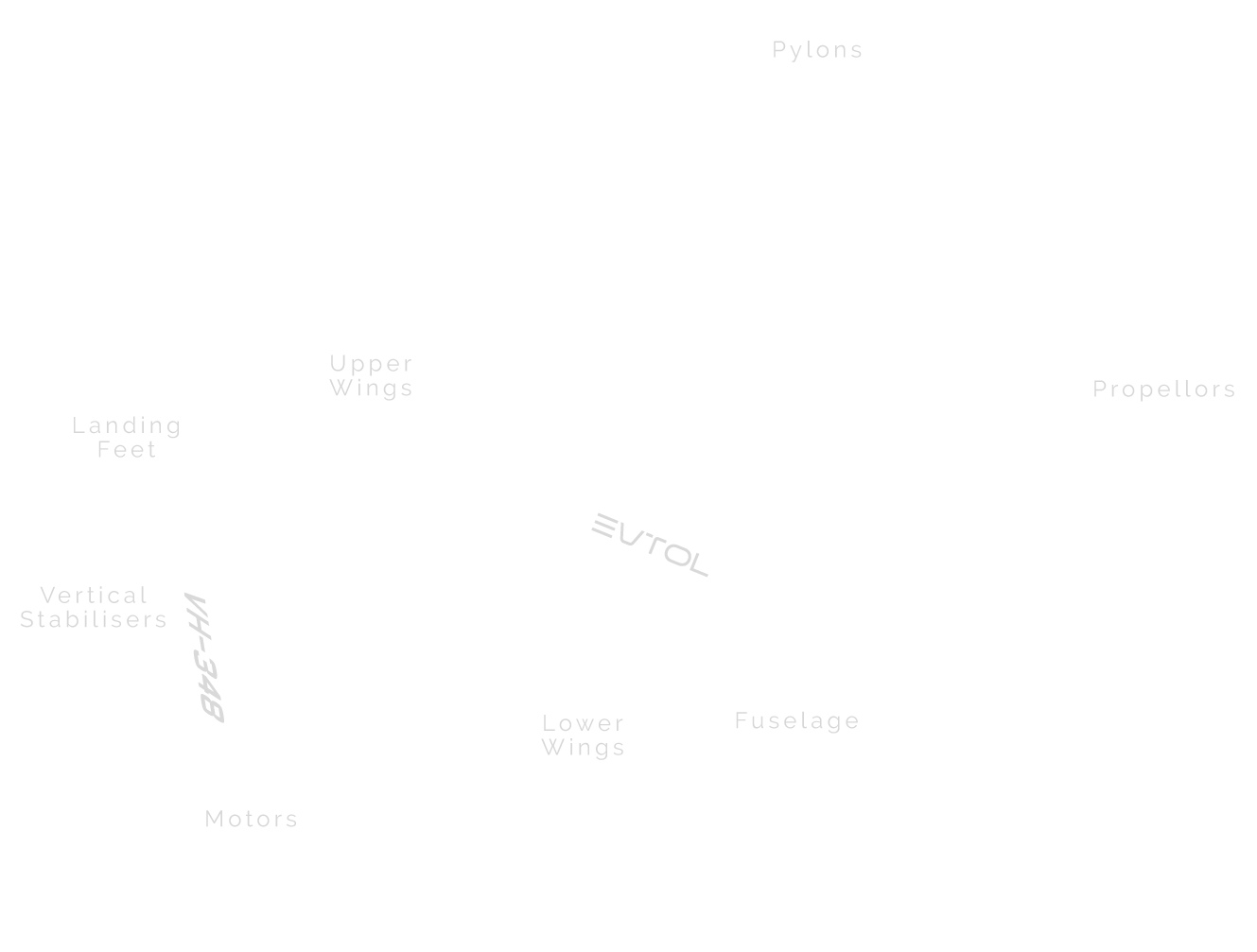
Our EVTOL is a multi-rotor, lift and cruise design that uses the same motors to generate lift for take-off and landing, and also for propulsion after transition into fixed wing flight.
This flight profile means a simpler aircraft than the common multi or tilt rotor designs, therefore becoming a safer design with fewer parts to run and maintain.
Autonomous flight improves safety by maintaining constant situational awareness via sensors, backup systems to allow adjustments real-time, and for our various projects scalable.
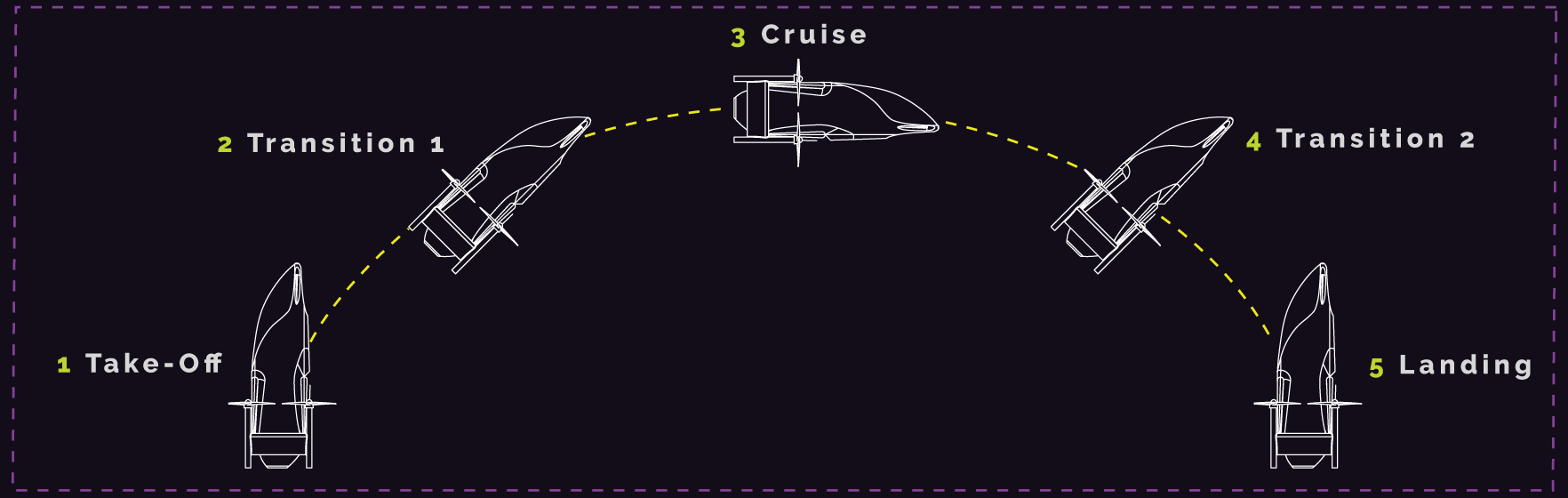
Flight Profile
To develop the final aircraft, scaled down models are developed to increase in size & complexity.
Participants iterate though design, build & testing of each model until ready for commercialisation.
Roadmap to the 2032 Olympics
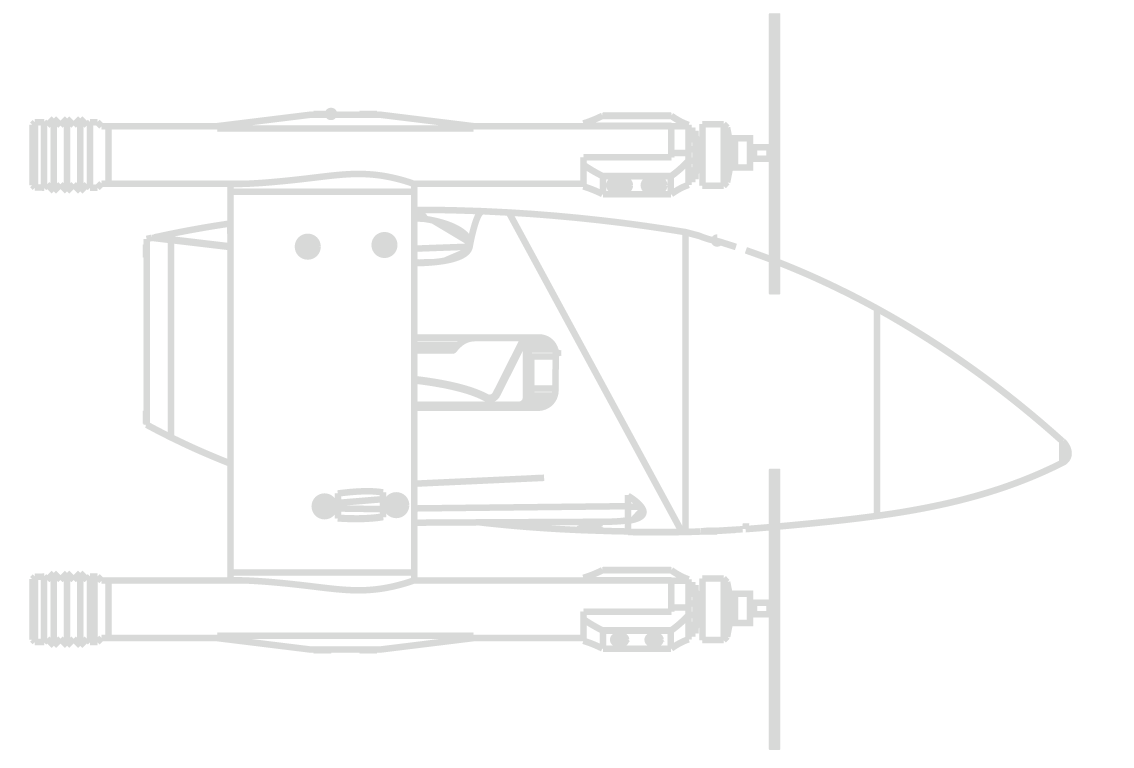
12 : 1 Lorikeet
5th generation
Smallest scale flying model
Primarily 3D printed with PETG
Controlled with Pixhawk, RTK GPS & QGroundControl.
Next iteration to include control surfaces & more autonomous capabilities.
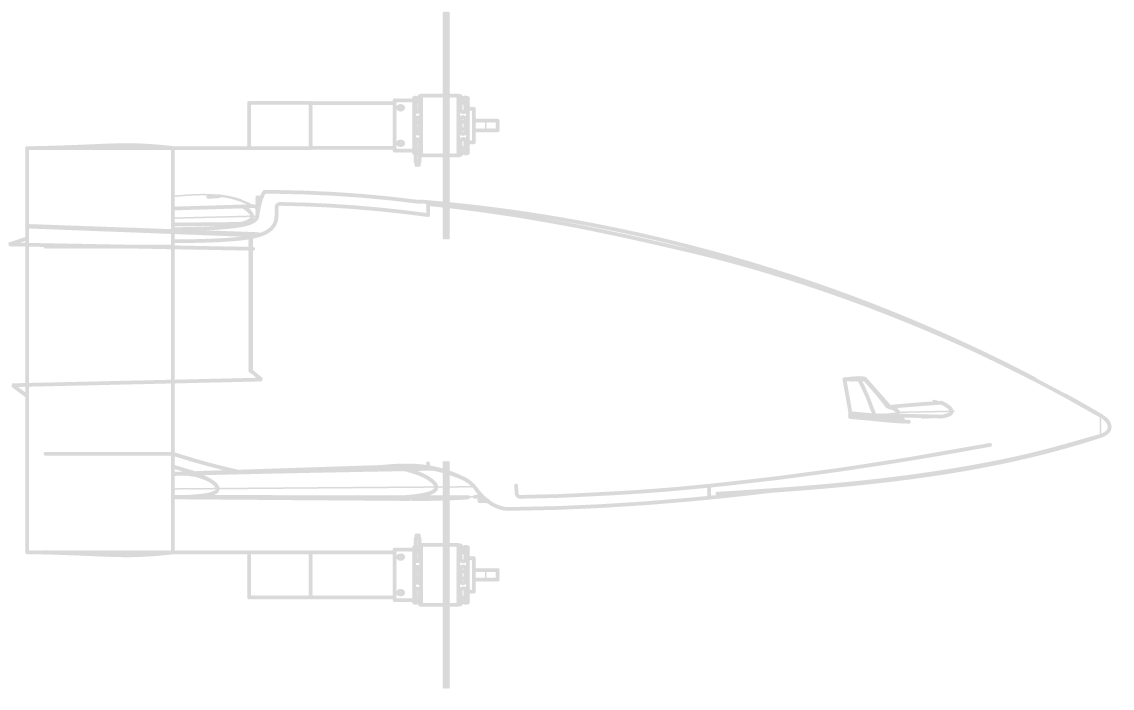
6 : 1 Magpie
2nd generation
Increase in complexity, size & weight
Focus on manufacturing workflow & composite layups & fabrication.
New internal structure for electronics
Larger motors & power requirements

Not yet started
Estimated size to be 2:1-3:1 in scale
Final stage before 1:1
x : 1 Falcon
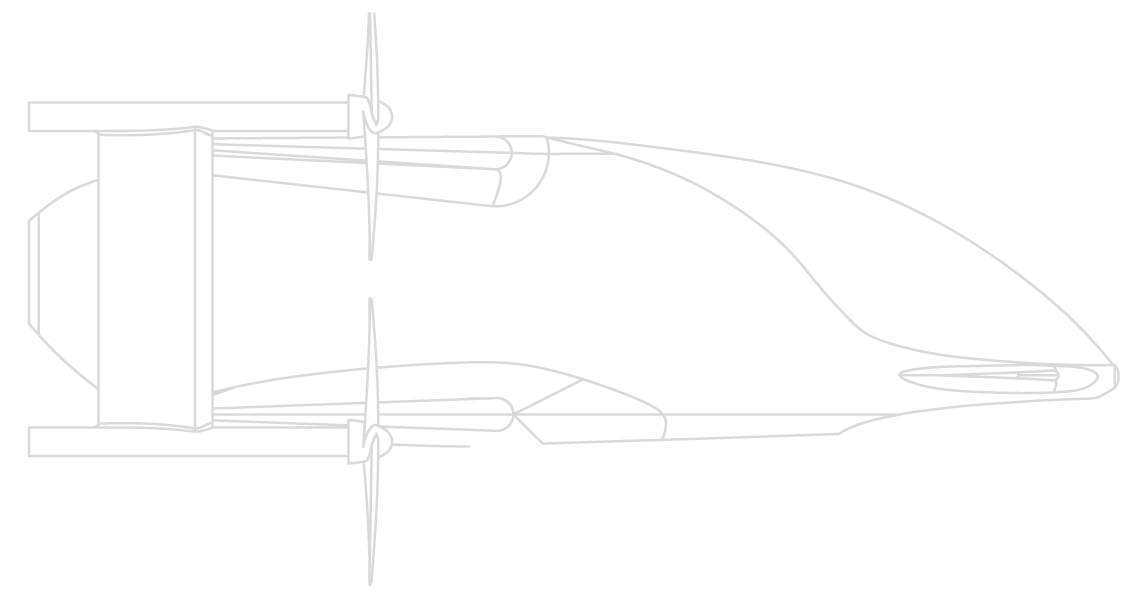
1 : 1
Not yet started
Aerospace grade carbon fibre 7000 series
Fully autonomous
Manufactured & designed in Sunshine Coast & SE QLD
Sub - Projects
Supporting projects required to complete the aircraft models

Measures thrust, torque & power output for motor selection
Tests multiple motor + prop combos
Custom 3D-printed vibration-resistant frame
Load cell–based thrust measurement
ESP32 data logging & live plotting
Used for thesis & performance analysis
Static Motor Test Rig
2nd generation
3D printed model to demonstrate the eVTOL design to events
Custom made stand
Tablet mount
Arduino controlled lights
Marketing Model

Creation of aerospace grade carbon fibre
Design and manufacture of moulds & tooling
Layup process of fabric & layering with resin, vacuum bagging, curing, bonding, trimming & finishing
Composite layup workshop
Composite Layups
Design of virtual eVTOL flight simulation
Demo passenger cockpit experience
Demos the flight profile
Built using Onshape, Blender & Unity with C# base
Testing in VR
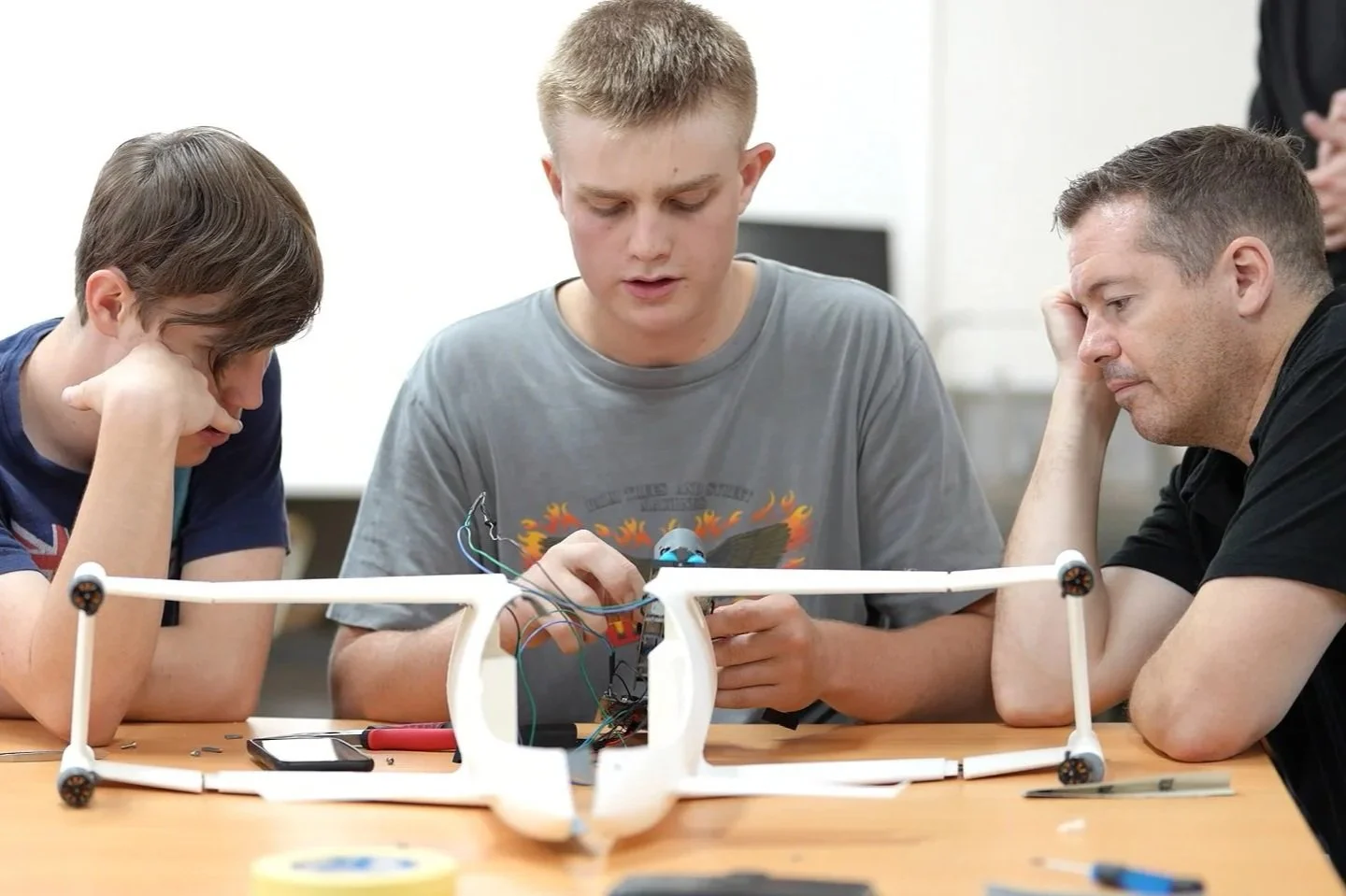
Session Info
Two sessions are held on Thursdays, 5 - 7pm at two different locations:
Both session sites collaborate to work together, with projects varying on equipment available, but ultimately attend the location that works for you.
Sunshine Coast Maker Space
Shop 5/23 Premier Circuit, Warana QLD 4575
Mechanical, CAD & Composites manufacturing and design focus
UniSC, Moreton Bay Campus
Room A1.2.08 (in the flexi lab to the left of the steps on entry),
1 Moreton Parade, Petrie QLD 4502
Mechatronics and electronics focus with access to a wind tunnel for testing focus.
-
Drive
Plenty of public parking available at both Makerspace and UniSC sites
Public Transport
Maker Space (Warana), 4-minute walk to the 607 bus route stopping at the ‘Innovation Parkway near Metier Linkway’ bus stop.
UniSC (Moreton Bay), 5-min walk to Petrie Train Station. Bus routes 680 and route 686 stopping at the Uni.
Description text goes here
-
Yes.
We primarily accept students from High School, TAFE & University graduates of all degrees and disciplines. Those under 18 require written parental / guardian consent, while over 18s require a Blue Card (forms provided).
Parents & guardians are welcome to stay during session hours.
No experience is expected as we are here to provide you with the opportunities to build the skills you need on the projects we’re currently running.
-
An open mindset to learn.
We’ll get you started from ground zero or we can direct you to projects for you learn or boost the skills you want to build.
In partnership with:
A student team project founded by: